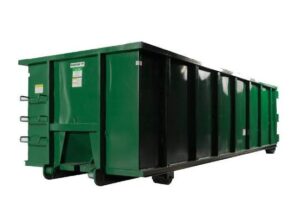
Home improvement projects can make a property more comfortable, attractive, and functional. Whether homeowners are updating a bathroom, replacing kitchen cabinets, finishing a basement, or renovating several rooms, these projects often generate substantial amounts of unwanted material. Old fixtures, broken tiles, damaged drywall, wood scraps, and packaging can quickly create clutter. Dumpster services offer a convenient way to manage this debris and keep remodeling work organized.
Managing Waste During Home Renovations
Even a relatively small remodeling project can produce more waste than expected. Removing old flooring, cabinets, countertops, doors, and wall materials creates debris that regular household garbage collection may not accommodate.
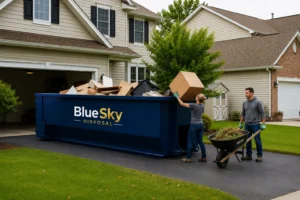
A rented dumpster provides a designated place for collecting approved renovation materials. Contractors and homeowners can dispose of debris as work progresses, helping prevent piles of rubbish from spreading throughout the property. This also makes it easier to maintain access to rooms and work areas.
Making Kitchen Remodeling Easier
Kitchen renovations frequently involve replacing cabinets, countertops, sinks, flooring, and outdated appliances. These improvements can produce bulky materials that are difficult to store or transport.
A dumpster can help collect suitable discarded materials during demolition and installation. Homeowners should check whether their rental provider accepts appliances, countertops, and other specific items because some materials may require separate disposal arrangements.
Supporting Bathroom Renovations
Bathroom remodeling can generate broken tiles, old vanities, damaged drywall, plumbing fixtures, and packaging from new products. Keeping these materials organized is important because bathroom spaces are usually limited.
Having a dumpster available outside the property allows workers to remove accepted debris without occupying valuable indoor space. This helps maintain a cleaner work area and makes it easier for contractors to complete installation tasks.
Choosing the Right Dumpster Size
The amount of waste depends on the size of the renovation and the materials being removed. Updating one bathroom may require a smaller container, while remodeling an entire house could require considerably more capacity.
Before renting, homeowners should estimate the volume of debris and consider the weight of heavy materials such as concrete, tile, and flooring. A rental provider can explain available container sizes and weight allowances to help customers make a suitable choice.
Protecting Driveways and Outdoor Areas
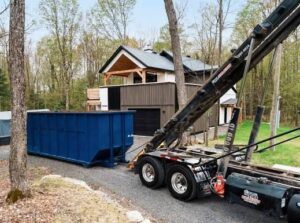
Dumpster placement is an important part of renovation planning. Containers are often placed in driveways or other accessible areas so workers can load debris conveniently. However, heavy dumpsters may affect certain surfaces if proper precautions are not taken.
Homeowners should discuss placement requirements with the rental company and consider suitable surface protection. The container should not block sidewalks, entrances, neighboring properties, or emergency access routes.
Understanding Material Disposal Rules
Different remodeling materials may have different disposal requirements. Wood, drywall, cardboard, metal, and certain flooring products may be accepted by some providers, while chemicals, paint, batteries, and potentially hazardous materials may be restricted.
It is important to confirm accepted materials before loading the dumpster. Separating recyclable items and arranging specialized collection for restricted waste can help prevent disposal problems.
Keeping Contractors Productive
A well-organized work area allows contractors to focus on renovation tasks instead of repeatedly moving discarded materials. When waste has a designated collection point, workers can remove debris regularly and keep important pathways clear.
This is particularly helpful when several tradespeople are working on the same property. Electricians, plumbers, carpenters, painters, and flooring installers can benefit from a cleaner environment with fewer unnecessary obstacles.
Planning Rental Periods and Pickup
Renovation schedules can change because of material deliveries, unexpected repairs, or weather conditions. Homeowners should estimate how long the project will take and arrange a rental period that provides enough time for cleanup.
If the dumpster fills earlier than expected, contacting the provider can help arrange collection or an additional container. Understanding extension charges and pickup procedures in advance also makes budgeting easier.
Completing Projects With a Cleaner Property
The final stage of a home improvement project involves removing leftover debris, packaging, and unwanted materials. A clean property makes it easier to inspect completed work, arrange furniture, and enjoy the improvements.
Dumpster services provide a practical waste management solution throughout the remodeling process. With an appropriate container, careful scheduling, and responsible disposal practices, homeowners can reduce clutter and make renovation projects easier to manage from demolition to completion.